My least favorite thing of all time that has been said to me while grieving (and honestly, there are so many things, I could write a book on this topic alone) is, “But you have so many people that love you…” There are good intentions there, and it is obvious that whoever said it had their heart in the right place, but it can be taken hurtfully depending on the individual that it was said to. For me, I am hurt by that. I want to say in response something like, “Yes, that may be true, but all of the closest ones to me, the ones that I actually talked to on a daily basis and not just on holidays, have died.”
Another one that also gets me is, “Everyone goes eventually.” While that is a true statement, not everyone goes at ages like 41 and 18, the ages that my loved ones died. When you say that to me, it feels like you are down-playing my hurt with a factual statement that doesn’t go into far enough depth to even make sense connecting with what I am dealing with. Everyone dies eventually, but not at such a young age with so much life ahead of them. Not when their journey on Earth isn’t close to being over. Not when they have so many milestones to see and memories to make, and some of those, with me.
The thing about grief is that when someone is in it, everyone’s heart hurts watching it. Everyone wants to do something to help, and the act of “saying” is the easiest step to feeling like you have ‘done’ something. But when it comes to a sensitive topic such as grief, one must be overly careful with what they say. Sometimes it is better to not say anything at all, because something that is meant to be taken nicely, in an emotional time can be mistaken to be hurtful. Sometimes it is better to just listen, because it is only in grief where there is absolutely nothing to say.
However, if you feel like you must say something, you must keep in mind that everyone is different, each person is unique and special in their own way, and that is a very important thing, especially in grief. Throughout my experiences with grief, and there have been many, I have found for me that things like,” I am here for you” and “You are courageous” and “Think about everything you know about them and try to live and love the best that you can for them, the way they taught you” are the best kinds of things to say, if you have to say something.
Simple is more in grief. A smile goes a longer way than normal for a person in deep grief, because not everyone prefers or likes to be hugged during a difficult time. A careful recipe for thoughts and words must be followed in order for the nearest to perfect outcome.

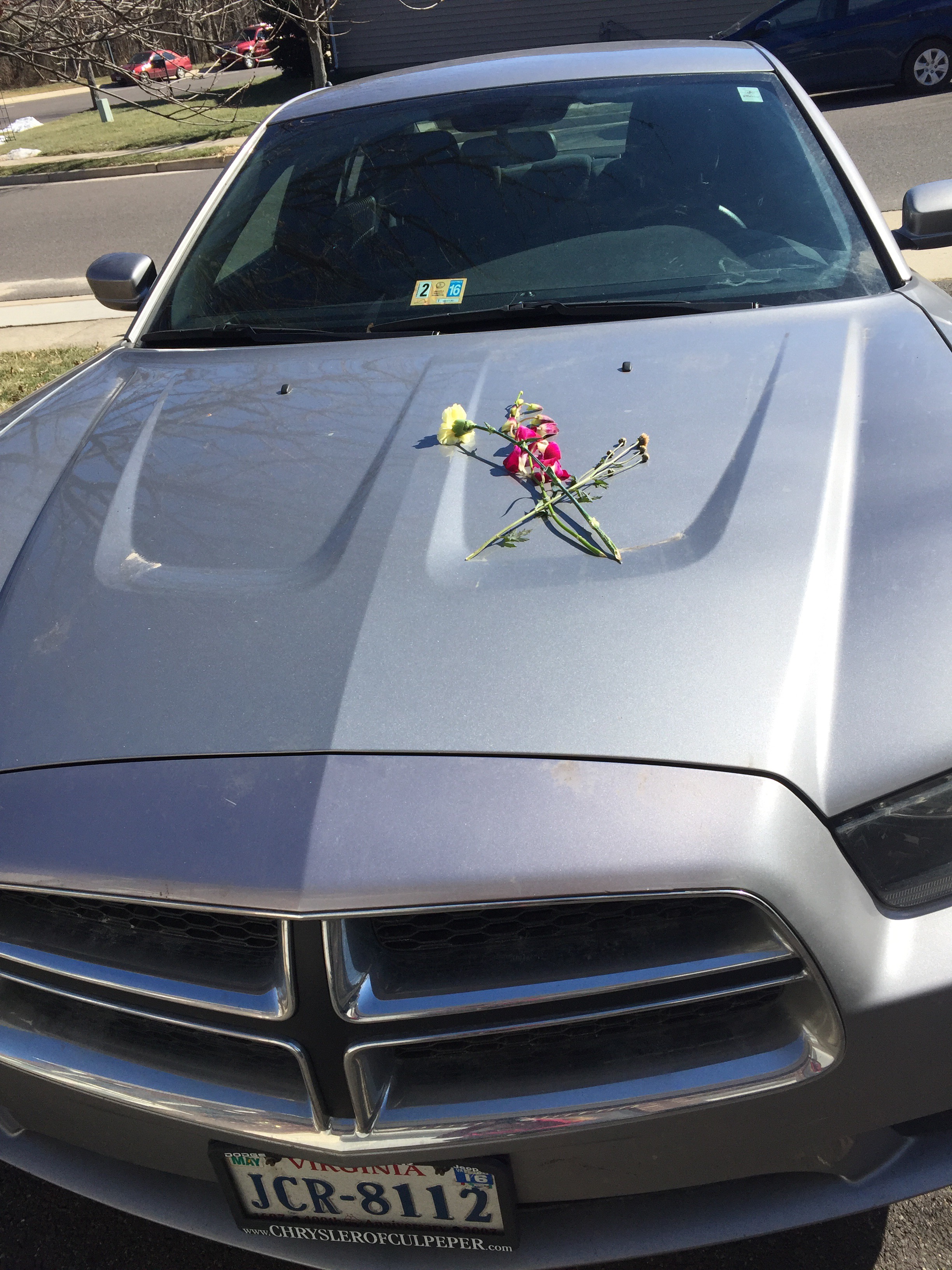



~photos all taken by me, Paige Hockman~
 Persevering Paige
Leave a comment